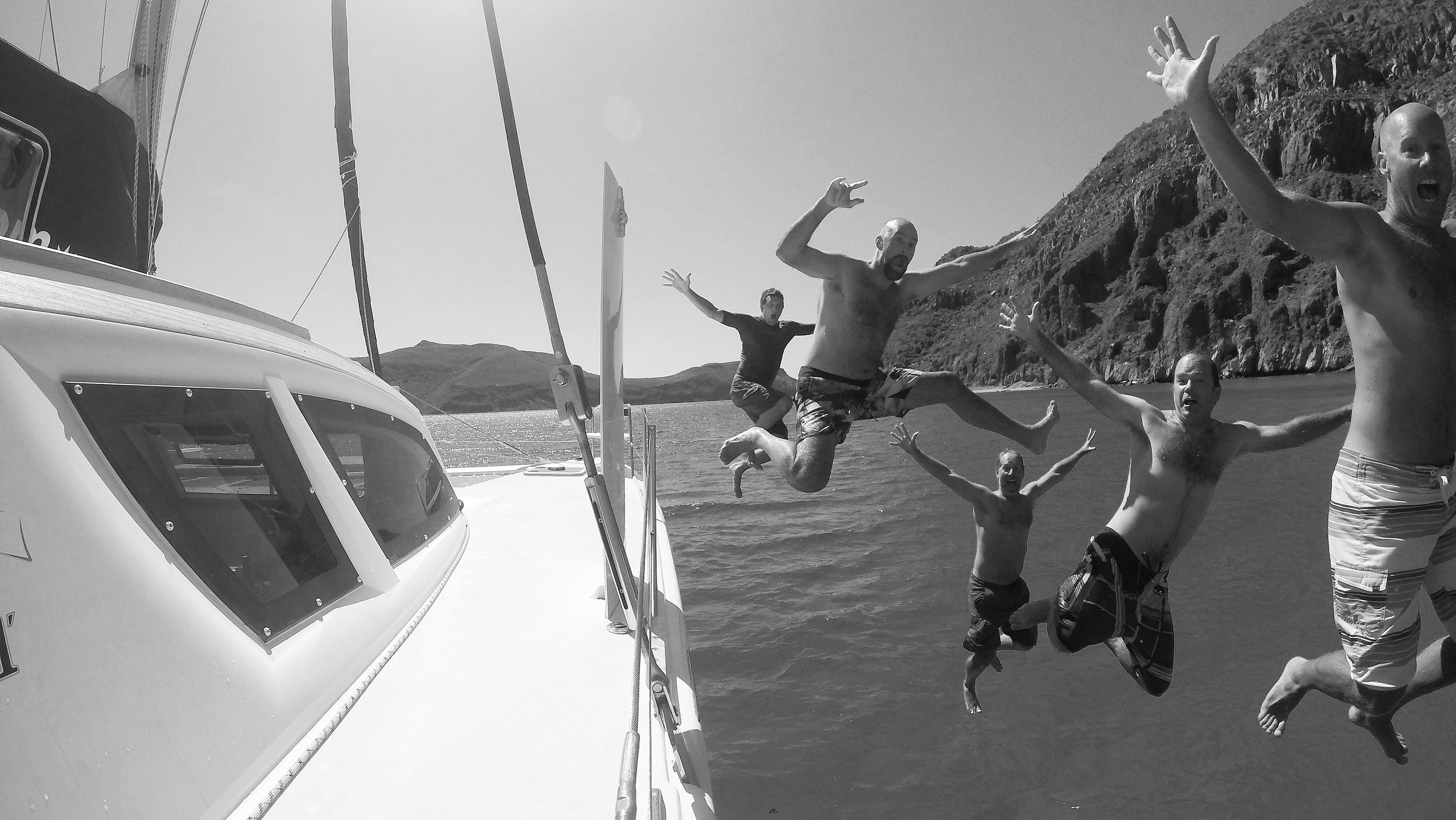
A new generation of sailors is emerging. Nautilus Sailing says its customers are getting younger, with more aspiring owners using sailing education and chartering to build the skills and experience needed before taking the plunge into boat ownership. Gone are the days when training was just about chartering.
And, according to the US-based school which runs liveaboard learn-to-sail courses, the sailing demographic is getting younger.
“We are at an exciting time in sailing’s evolution.” says Tim Geisler, founder and lead instructor of Nautilus Sailing.
When the company started 17 years ago: “Sailing was definitely suffering from an identity crisis and was not even on most people’s radar.
“In the last decade the proliferation of sailing video blogs on YouTube has really helped change all that and has shown what an incredible platform for adventure and discovery it can be.”
The consequence of this is that Geisler is at the coal face of “a whole new wave, and much younger demographic, catching the sailing bug.”
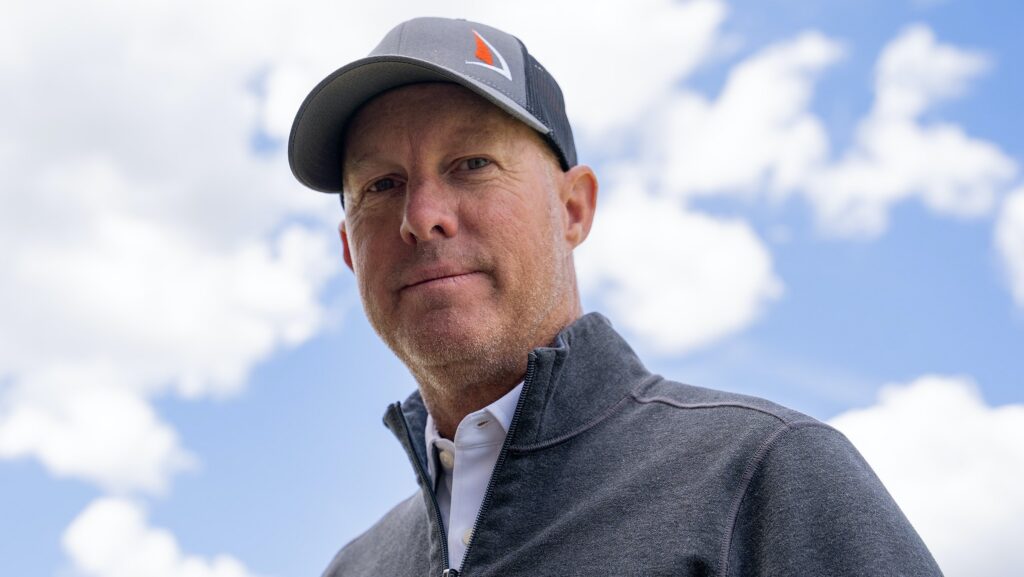
He says: “For years, when you sailed into most anchorages in the Caribbean, the average cruisers were retirees in their 60s and 70s.” But several years ago he took a sabbatical with his family and sailed through the Caribbean, where in every anchorage, he met young couples and young families.
Sailing education is part of ownership pipeline, but not the start
Within Nautilus’s offering, there’s been an increase in the demand for offshore trips and more advanced experience in the last three to four years as students look to buy their own boats – and start cruising.
When Nautilus began, Geisler says the goal of most of the students (as reported on entrance surveys) was chartering.
“In the last five years we’ve seen a major shift.
“Now the majority of our students report that their primary goal is to one day buy a boat and cruise.
“We haven’t seen any evidence that sailing education drives boat purchases, as most of our students are entering our program already having a goal of boat ownership.”
The company does not currently track the percentage of students who go on to buy boats. The typical gap between completing a sailing course and purchasing a boat is two to five years, making the metric difficult to measure. Instead, it relies on former students reporting purchases through emails or annual surveys. However, he believes the proportion is increasing, based on intake survey responses and growing numbers of former students reporting that they are now cruising.
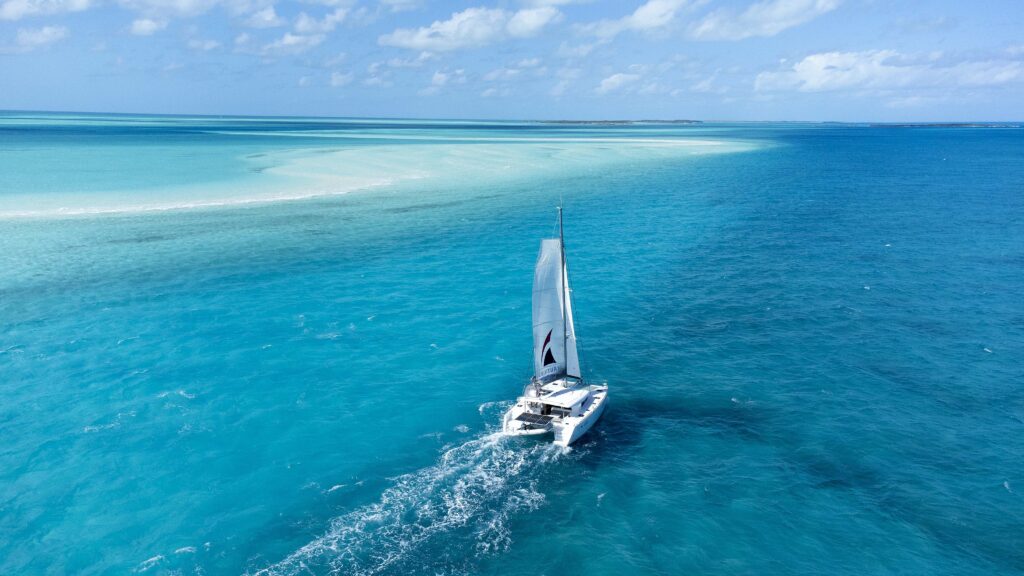
“Most of our students are buying catamarans in the 40 to 55-foot range. We do have clients that are buying monohulls, but as our courses focus heavily on catamarans, we seem to attract future catamaran owners.”
Geisler says ex-students are buying both new and used. Some are buying used catamarans in the $400,000 to $750,000 range, while others are buying new. “We have plenty of students that are buying new catamarans, from Fountaine Pajots, to Excess catamarans, to Leopards and Lagoons, and even more expensive catamarans like HH, Windelo and Outremer.”
Customer and future buyer profile
Nautilus customers are typically 35 to 60, financially comfortable and have limited formal sailing experience. Courses usually attract a mix of couples and solo travellers, with increasing numbers of families planning sabbaticals.
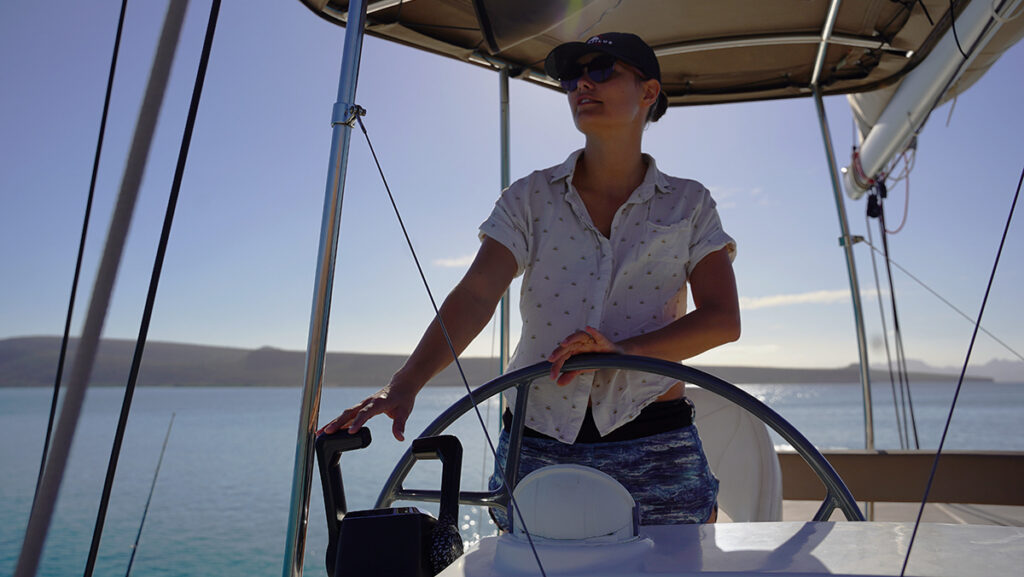
“The demographic is skewing younger, as more and more people realise (after covid) that working remotely is an option (especially now with Starlink).”
Customers are choosing sailing courses as a multifunctional holiday, combining an adventure with the skills needed to cruise independently or charter internationally with friends and family.
Two of Nautilus’ offshore trips sold out in a mere 48 hours.
“Offshore trips have always generated strong interest, but these trips hit a nerve, and booked far faster than usual.”
The trips, from Grenada to Guadeloupe, were advertised to alumni to help people gain more advanced sailing experience, which is particularly relevant as Nautilus – and companies like it – are now a key factor in the boat-buying pipeline.
Training-to-charter pipeline
Geisler points out that future boat owners know they need experience on their journey to ownership, and to get that experience they need formal certification to charter – if that’s their intended route prior to buying.
“Flotillas are often seen as ‘training wheels’ for students that just aren’t quite ready to venture out on their own yet for a first charter,” he says.
Most of his students have never chartered or been on a sailing charter before coming to train. And even if they had, charter companies have “definitely gotten more strict with their requirements to charter.
“Gone are the days when you could have years of sailing experience on your own 36-foot monohull and charter anywhere in the world.
“Charter companies are now requiring formal sailing certifications to meet more stringent insurance requirements in the wake of several large hurricanes in the Caribbean.”
Students realise that they have to have sailing certifications to charter internationally, and this has increased demand for Nautilus’ courses. Those are designed to give the skills, experience, confidence and formal certifications to charter independently, with most students completing their first solo charter within a year.
But what happens when they’ve trained and chartered?
Shared ownership models are less appealing
Based on his experience with clients over the last five to seven years, Geisler believes the majority of his alumni are focused on boat ownership (and cruising) rather than shared/fractional ownership.
“What we are finding is that with stricter insurance policies and requirements, some of our students are choosing fractional ownership for a couple of years to gain more experience on their sailing resumes, as they progress towards boat ownership, but fractional ownership has rarely been the goal.”
Role of chartering to test different models
“For those on the path to boat ownership, chartering is still something they will actively do as they build experience and test out different boat models to decide what they want to buy.”
Geisler partners with charter companies; he says they’re “excited to introduce their services to our students, as our students represent a new wave of potential clients to charter their boats.”
“More and more people are realising that the cruising lifestyle, whether for a sabbatical year or multiple years, is far more accessible than it has ever been, and so boat ownership is a real goal. Charter represents a great way for those that don’t want the headaches of ownership nor have the time to cruise, to be able to sail in exotic places. Charter is also the gateway to ownership for many people, so chartering will always have a place in the industry.”
Within all the positivity, Geisler notes that 2026 has been a challenging year – politically, economically and globally.
“Overall our sales manager reports that folks are a little more hesitant to want to travel internationally, and we’ve definitely seen a drop in our course bookings in particularly in Europe.” He says the core business of selling international liveaboard sailing courses is down about 20 per cent. But while growth and demand continued in 2025, they plateaued in 2026; he’s seeing this as an “opportunity to be creative and innovate on our offerings.”
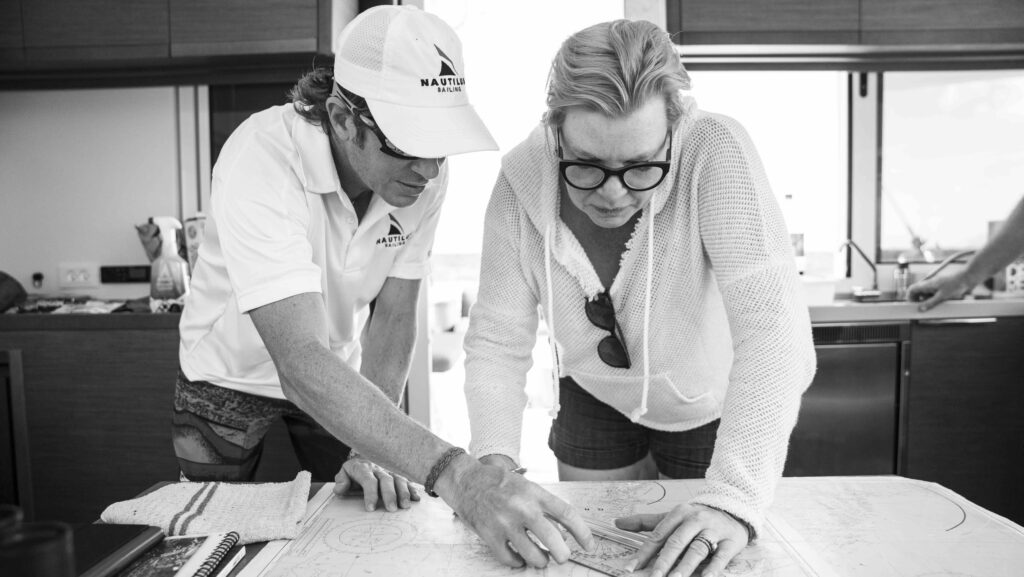
He points out that Nautilus isn’t offering leisure charters. Guests learn storm tactics, (participate in) night watches, weather routing, passage planning, and emergency protocols across multi-day offshore voyages. The company is also launching new offerings in response to the changing market, such as: freediving and catch-clean-cook trips in the Bahamas, full-day docking clinics in Marina Del Rey, and advanced certification passages in Croatia. Sardinia is also a new European destination for 2027.
Geisler concludes: “It’s an exciting time to be part of the sailing world and industry.”

The post Students’ primary goal is to buy, not charter, a boat, says Nautilus Sailing appeared first on Marine Industry News.