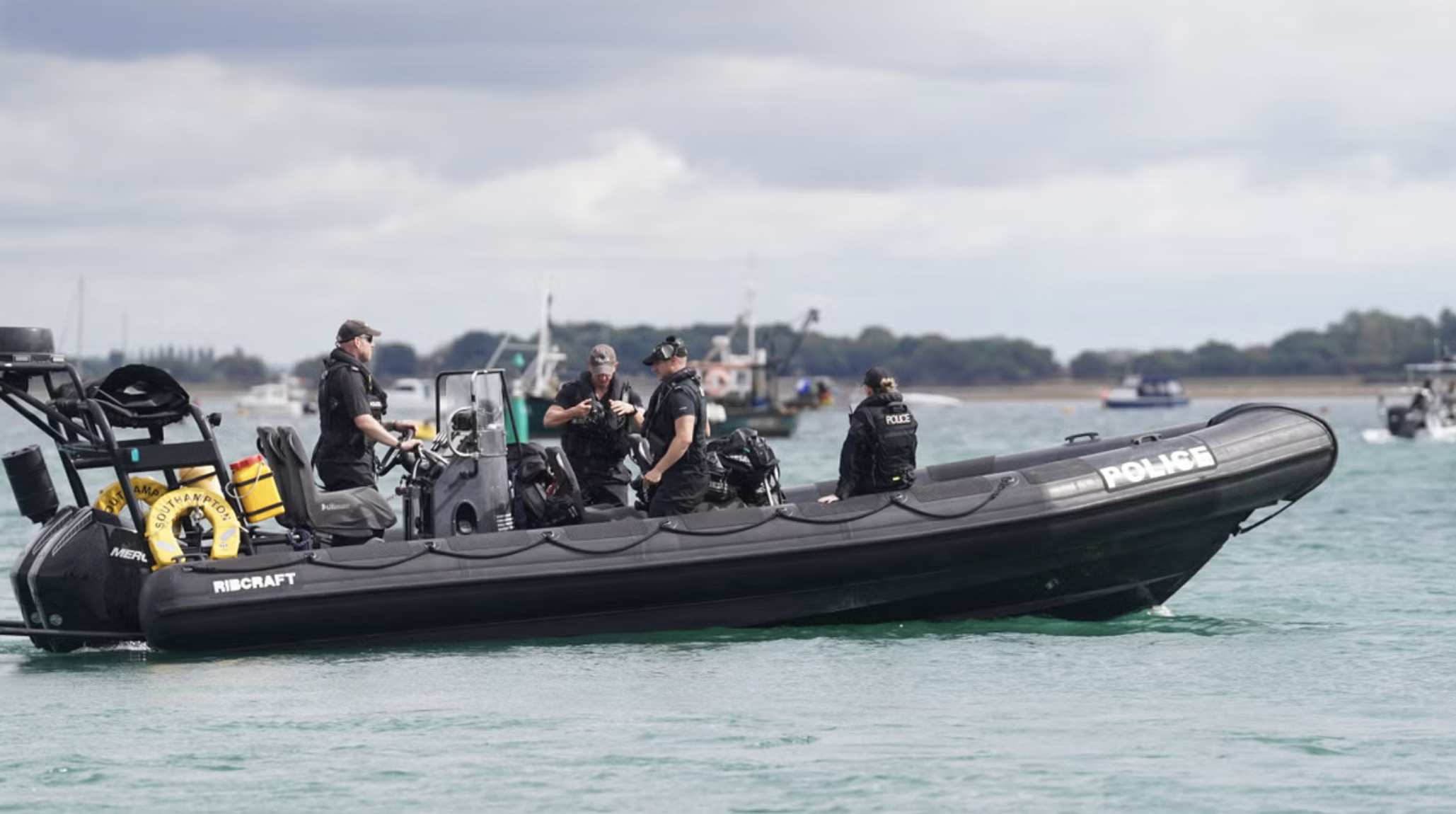
Portsmouth Lifeboat Station has been temporarily taken out of service following protests and abuse targeting RNLI volunteers after two lifeboats assisted the Coastguard with a small-boat incident in the English Channel.
The station in Eastney was closed amid heightened security concerns following protests in Portsmouth, including road blockades and demonstrations outside the RNLI facility.
The incident on 6 September saw two Portsmouth RNLI lifeboats help bring around 120 people ashore after they were rescued while attempting to cross the Channel from France.
Reports following the operation said RNLI volunteers were subjected to verbal abuse and threats, with personal details and photographs of some crew members also circulated online.
Security measures introduced
The RNLI subsequently increased security measures at its locations and advised volunteers and staff that, where appropriate, they could choose not to wear RNLI-branded clothing in situations where doing so could put them at risk. The charity has also advised volunteers that they can close lifeboat stations or other facilities if they feel they are in danger.
RNLI South East head of region Jacqui Irons says Portsmouth Lifeboat station has been temporarily off service since 7 September while the charity reviewed crew safety and wellbeing.
“We have a duty of care to our people; we therefore took the decision to pause activity at the station to review crew safety and wellbeing and to support those involved in the incident on 6 September,” comments Irons.
She adds that search-and-rescue coverage remained in place through nearby RNLI and independent lifeboat stations. “Search and rescue cover continues to be provided by flank RNLI and independent lifeboat stations, and the most appropriate asset to respond to any incident will be coordinated through HM Coastguard as is the case around the rest of the coast.”
The Portsmouth station normally provides search-and-rescue cover for the Eastern Solent and operates two inshore lifeboats.
RNLI reiterates its role in Channel rescues
The RNLI says it remains an apolitical organisation and that its role is to save lives at sea. In a statement issued by the RNLI on 8 September following the protests, chief executive Peter Sparkes says people rescued from small boats are handed over to the UK’s immigration authorities, while immigration policy is a matter for the government.
Sparkes also rejects claims circulating online that the RNLI houses asylum seekers or conducts missions to move migrants to undisclosed locations, describing such claims as baseless.
Other RNLI facilities impacted
The protests have also affected other RNLI facilities.
The Poole Old Lifeboat Museum, a volunteer-run museum housed in the town’s former lifeboat station, temporarily closed after volunteers were verbally assaulted during protests. The museum said it would remain closed until the protests ceased.
The RNLI describes the abuse directed towards its volunteers and staff as unacceptable and says it is taking steps to protect them and their families. The charity has also reported a significant increase in donations following the protests.
The events follow a separate demonstration in Dover on 5 September (reported by the BBC), when hundreds of masked protesters blocked roads around the Port of Dover in an action focused on small-boat crossings. The disruption temporarily affected access to the port, with operations later returning to normal.
The RNLI’s Portsmouth station remains listed as an operational lifeboat station on the charity’s website. However, its current status after this temporary suspension depends on the charity’s ongoing security assessment.
The post Portsmouth RNLI station closed following protests and online threats appeared first on Marine Industry News.